Modest Dressing Decoded
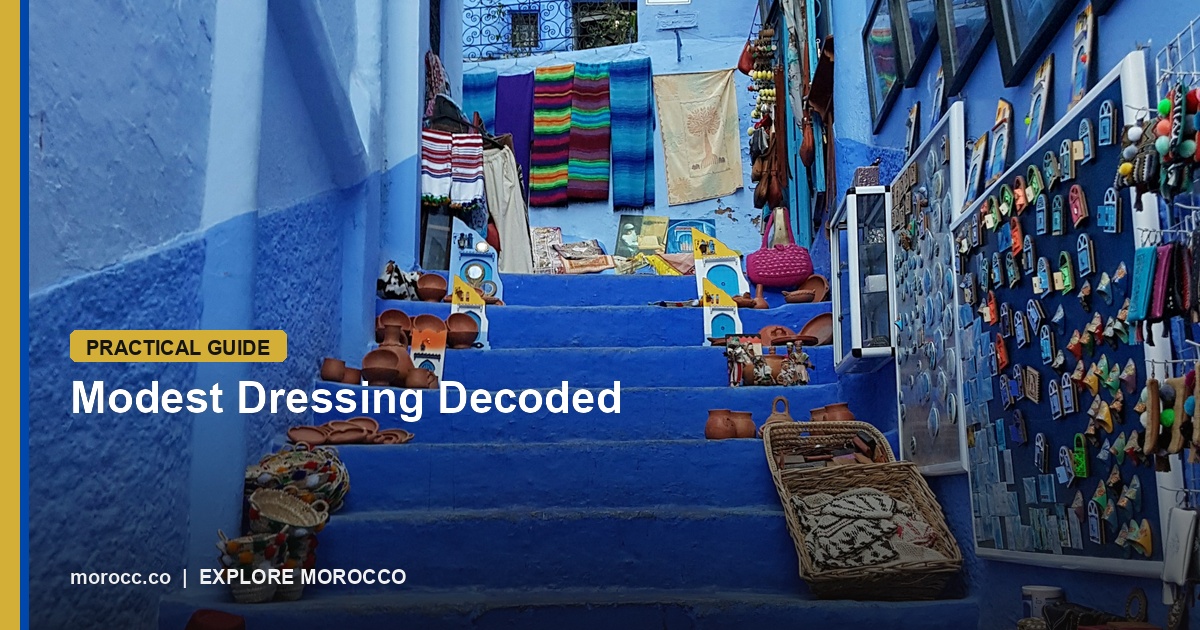
Direct Answer: Modest Dressing Decoded represents an essential dimension of Moroccan travel and culture, offering visitors rich historical heritage, authentic local encounters, and memorable landscapes when explored with practical preparation.
Quick Facts & Logistical Guide
| Category | Detail / Recommendation |
|---|---|
| Best Time to Visit | October through April (Mild temperatures) |
| Recommended Duration | 2–3 Days |
| Key Highlights | Historic Architecture, Local Souks, Cultural Encounters |
| Local Language | Darija (Moroccan Arabic), French, Berber |
Exploring Modest Dressing Decoded
Morocco’s landscapes and historic cities offer unparalleled depth for travelers. When planning your journey, having reliable practical context makes all the difference.
As you prepare your itinerary, consult our essential resources:
- The Ultimate Morocco Packing & Clothing Guide
- Footwear & Medina Walking Field Guide
- Sahara Desert Expedition Gear Kit
Key Insights & Practical Advice
Dressing modestly in Morocco is less about strict rules and more about reading the setting. In tourist-heavy squares you can wear almost anything without comment, but step a few streets into a working medina and covered shoulders, knees, and cleavage change how you are treated — usually for the better. Men do well in long trousers and shirts with sleeves; women in loose tunics, maxi dresses, or abayas. The goal is not concealment but ease: clothes that let you enter a family-run riad, a neighborhood hammam, or a village shop without feeling on display.
Heat is the real challenge with layered dressing, so fabric choice matters more than coverage. Loose linen, cotton, and light synthetics let air move while keeping the sun off, and they dry quickly after a rooftop hand-wash. Save the close-fitting items for private riad courtyards and pools. In cooler months, a pashmina or light jacket over covered basics is enough almost everywhere. If you are invited into a mosque or a family home, err on the generous side — a scarf and covered arms cost nothing and are always noticed kindly.
Whether navigating historic medinas or venturing into mountain passes, observing local etiquette and respecting cultural customs ensures a rewarding experience.
Frequently Asked Questions
What is the best way to explore this region?
Exploring on foot with a knowledgeable local guide or taking licensed transport is recommended for navigating historic quarters and scenic routes comfortably.
Are credit cards widely accepted?
Cash in Moroccan Dirham (MAD) remains essential for local markets, small cafes, and traditional souks, though major hotels and upscale restaurants accept cards.
Last reviewed: 2026-09-18 by morocc.co editorial team.